At Ken Anderson Alliance (KAA), music is more than entertainment—it’s a meaningful way for adults with disabilities to grow, connect, and express themselves.
Music is a central part of life at KAA.
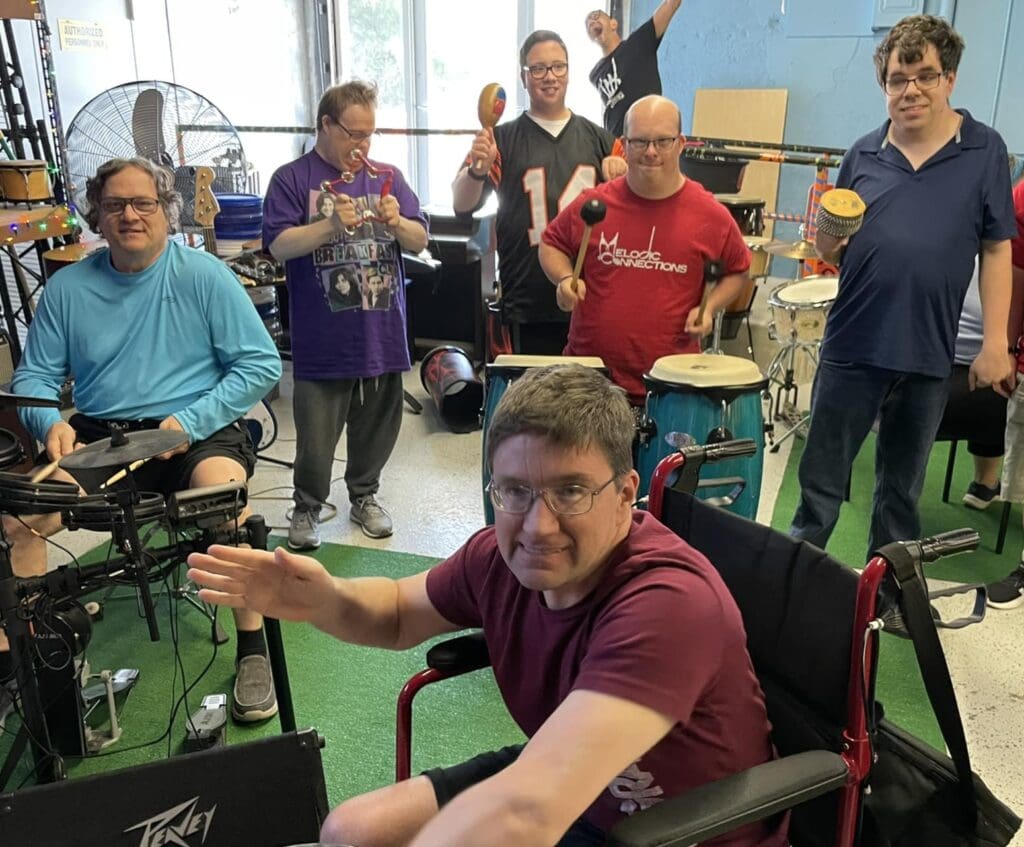
Through a variety of music-based opportunities—including music therapy, group music activities, creative media programs, and community experiences—participants build confidence, develop new skills, and form lasting relationships.
At the heart of these offerings is music therapy, a clinical service led by licensed professionals that uses music to support social, emotional, and developmental goals.
Together, these experiences create a supportive environment where every participant can explore music at their own pace while building skills that extend far beyond the activity itself.
What Is Music Therapy?
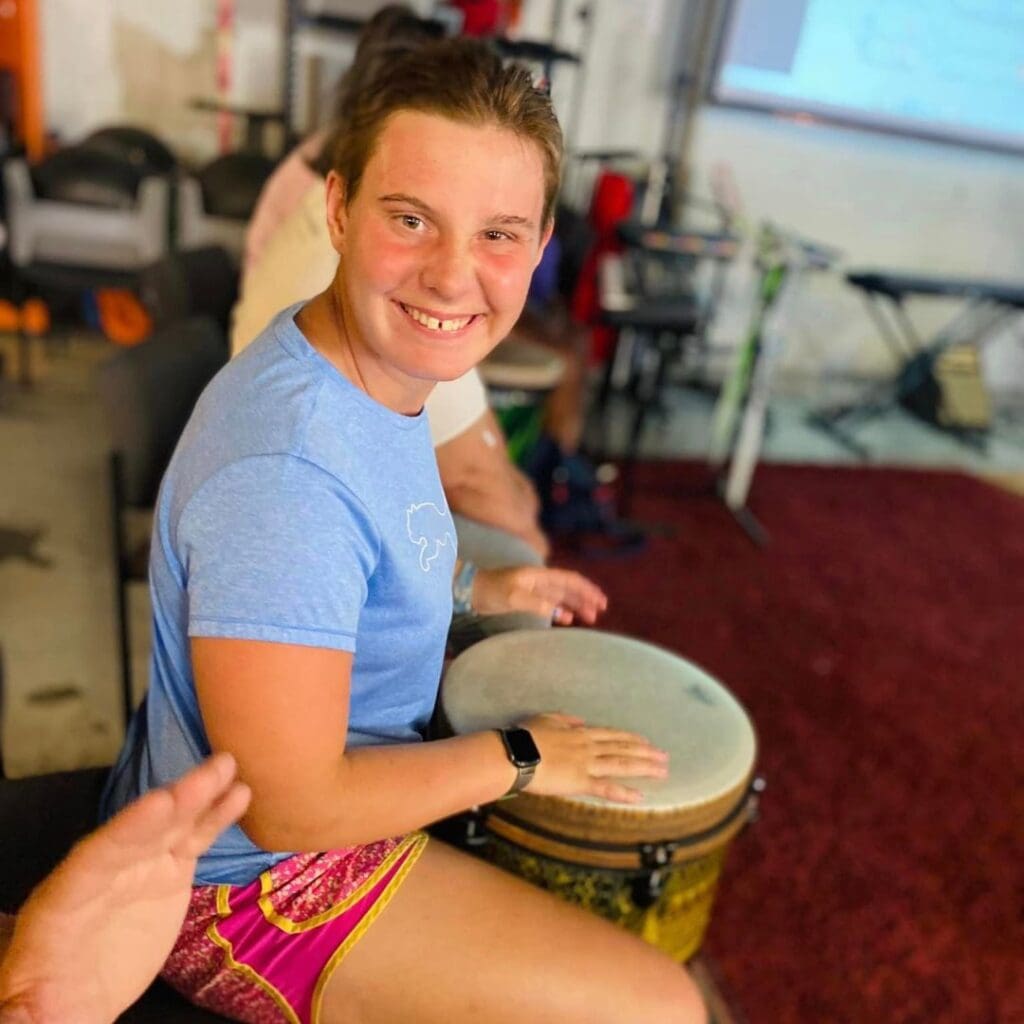
Music therapy is the use of music by a licensed professional music therapist to help individuals achieve non-musical goals. At KAA, music therapy sessions may take place one-on-one or in small group settings, depending on each participant’s goals and preferences.
Through music therapy, participants work toward goals such as:
Sessions are active and engaging, often including:
Participants help choose the music used in sessions, ensuring that the experience remains meaningful, motivating, and personalized.
Our Approach: Community Music Therapy
KAA practices a specialized model called community music therapy, which focuses on building on each participant’s strengths rather than trying to “fix” challenges.
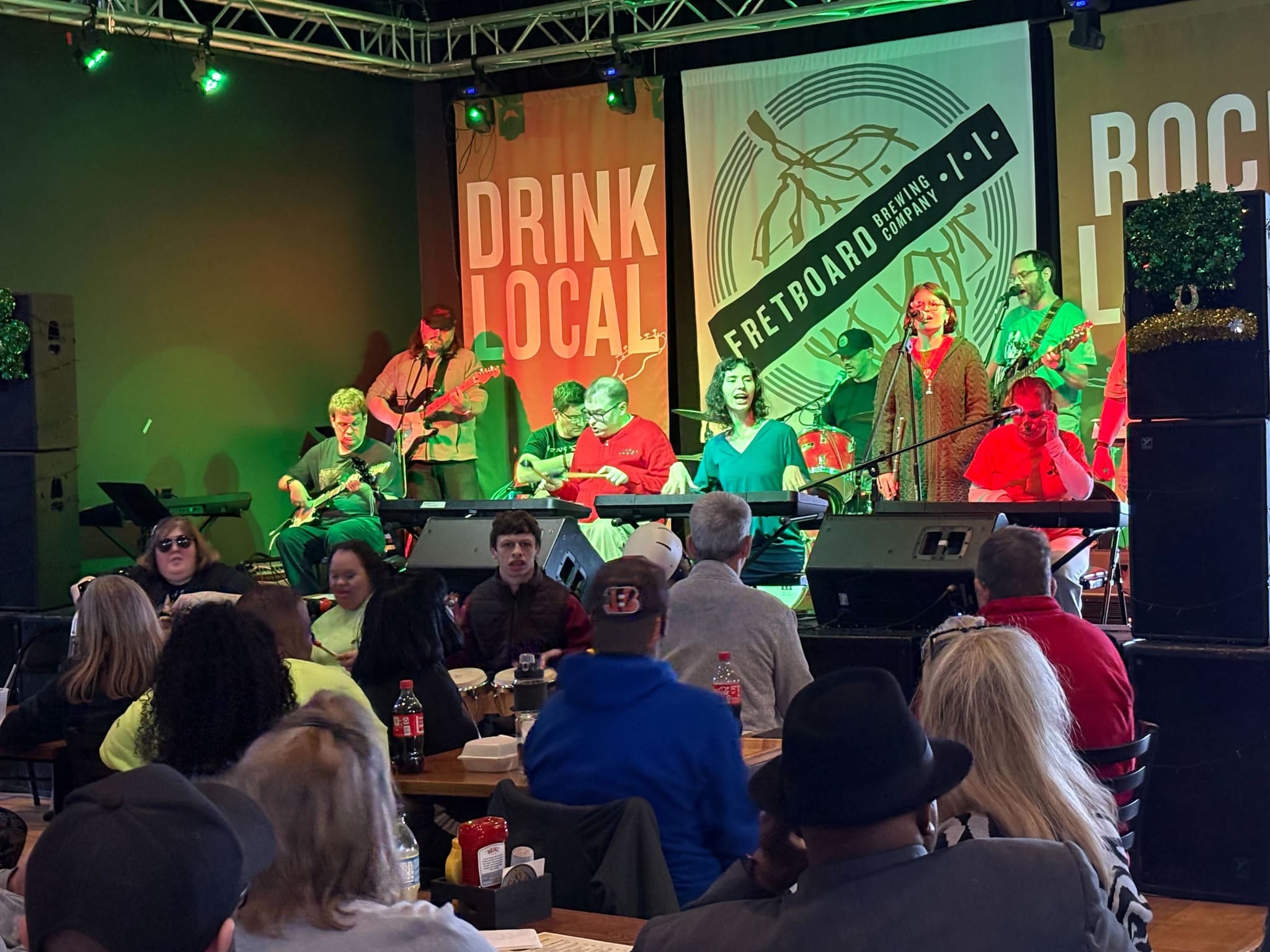
Community music therapy moves beyond traditional therapy sessions by creating real-world experiences, like performing and attending concerts, that promote belonging, creativity, and confidence.
Why Music Matters for Adults with Disabilities
Music naturally engages multiple areas of the brain at once, making it a powerful tool for learning, connection, and development.
For adults with disabilities, music can provide structure, predictability, and meaningful ways to interact with the world. Rhythm, repetition, and sound help organize the brain, support focus, and create opportunities for expression—especially when traditional communication may be challenging.
Through music-based experiences, participants can strengthen:
At KAA, music programming is intentionally designed to support these areas while prioritizing enjoyment, accessibility, and personal expression.
Music Therapy Services at KAA
KAA offers flexible music therapy experiences designed to meet the diverse needs of adults with disabilities. Music therapy can be funded through private pay, OhioRise, or Family Support Services Program (FSSP) vouchers.
Individual Music Therapy
One-on-one sessions with a licensed music therapist allow participants to focus on personalized goals, interests, and abilities.
Sessions may incorporate:
- Instrument exploration
- Songwriting
- Communication exercises
- Emotional regulation strategies
- Skill-building through music
Group Music Therapy
Group sessions provide opportunities to build social skills, teamwork, and peer connections through shared music-making experiences.
Participants collaborate through:
- Singing together
- Playing instruments
- Rhythm and movement activities
- Creative songwriting exercises
Adaptive Music Learning
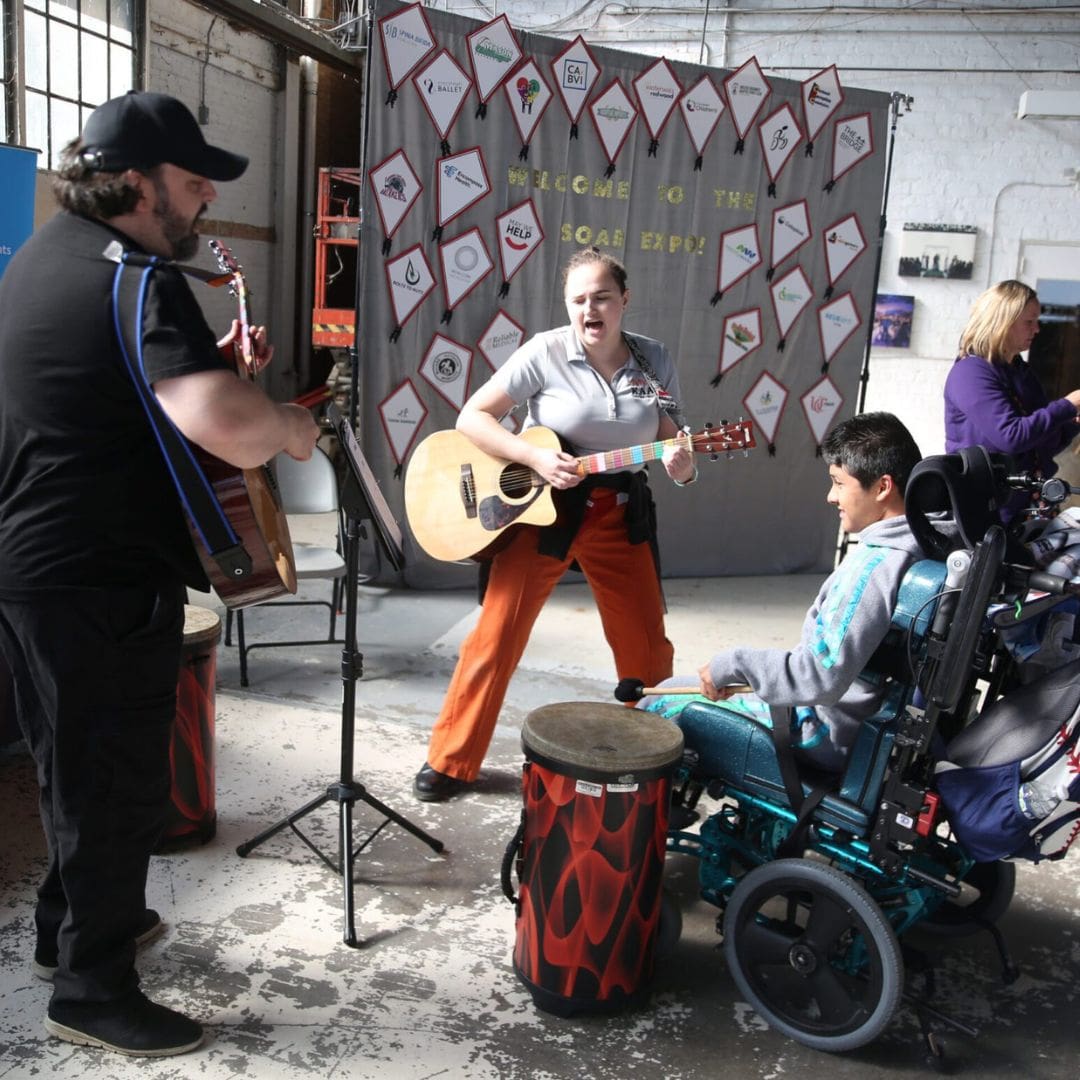
Many participants come to KAA because they want to learn how to play music, and music therapists are uniquely trained to adapt instruments and teaching methods to diverse abilities.
Examples of adaptive strategies include:
- Color-coded systems for learning chords
- Alternate instrument tunings
- Modified instruments or equipment
- Flexible learning approaches tailored to each participant
While musical skill development may be part of the process, the focus remains on personal growth, engagement, and confidence.
Music Opportunities Beyond Therapy
While music therapy is a central part of KAA’s programming, participants can also explore music through a variety of creative and community-based experiences.
These opportunities reinforce the skills developed in therapy while allowing participants to engage with music in fun, social, and creative ways.
Adult Day Services Music Programs
Music is a regular part of KAA’s Adult Day Services programming, where participants come together for large-group music experiences throughout the week. Adult day services can be funded through a person’s Home and Community Based Services (HCBS) Waiver or private pay.
During these sessions, individuals may:
- Choose and request songs
- Rehearse familiar and new music
- Play instruments or sing along
- Participate in informal jam sessions
Held Monday through Friday at KAA’s facility, these sessions make music a consistent and engaging part of participants’ routines.
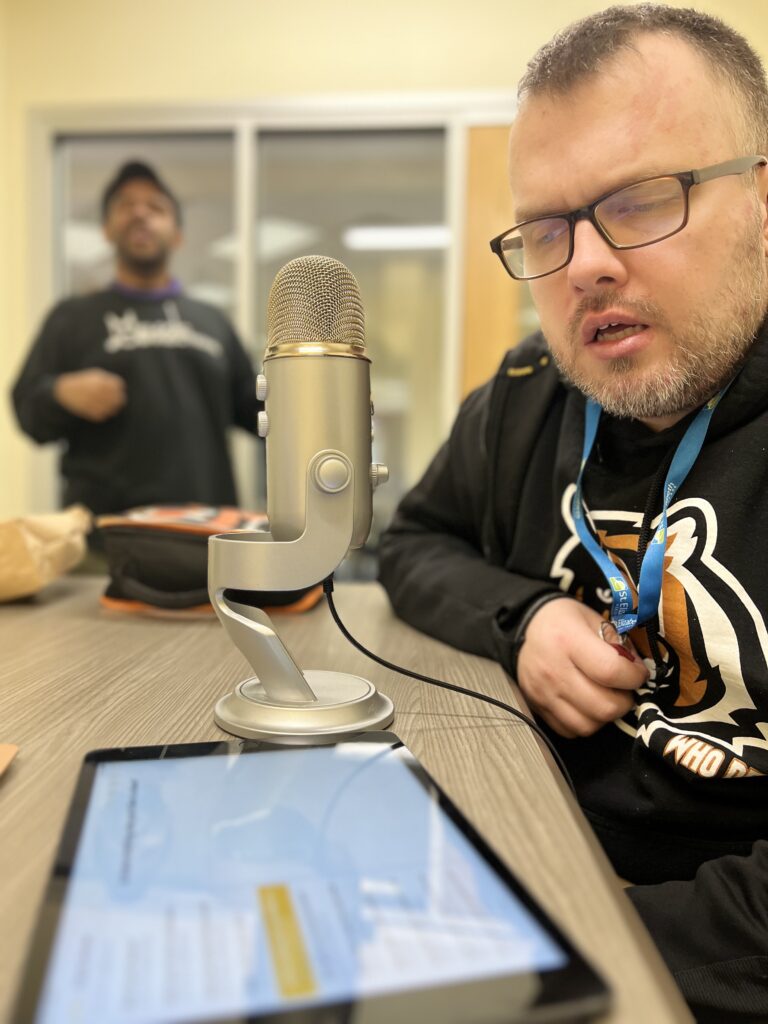
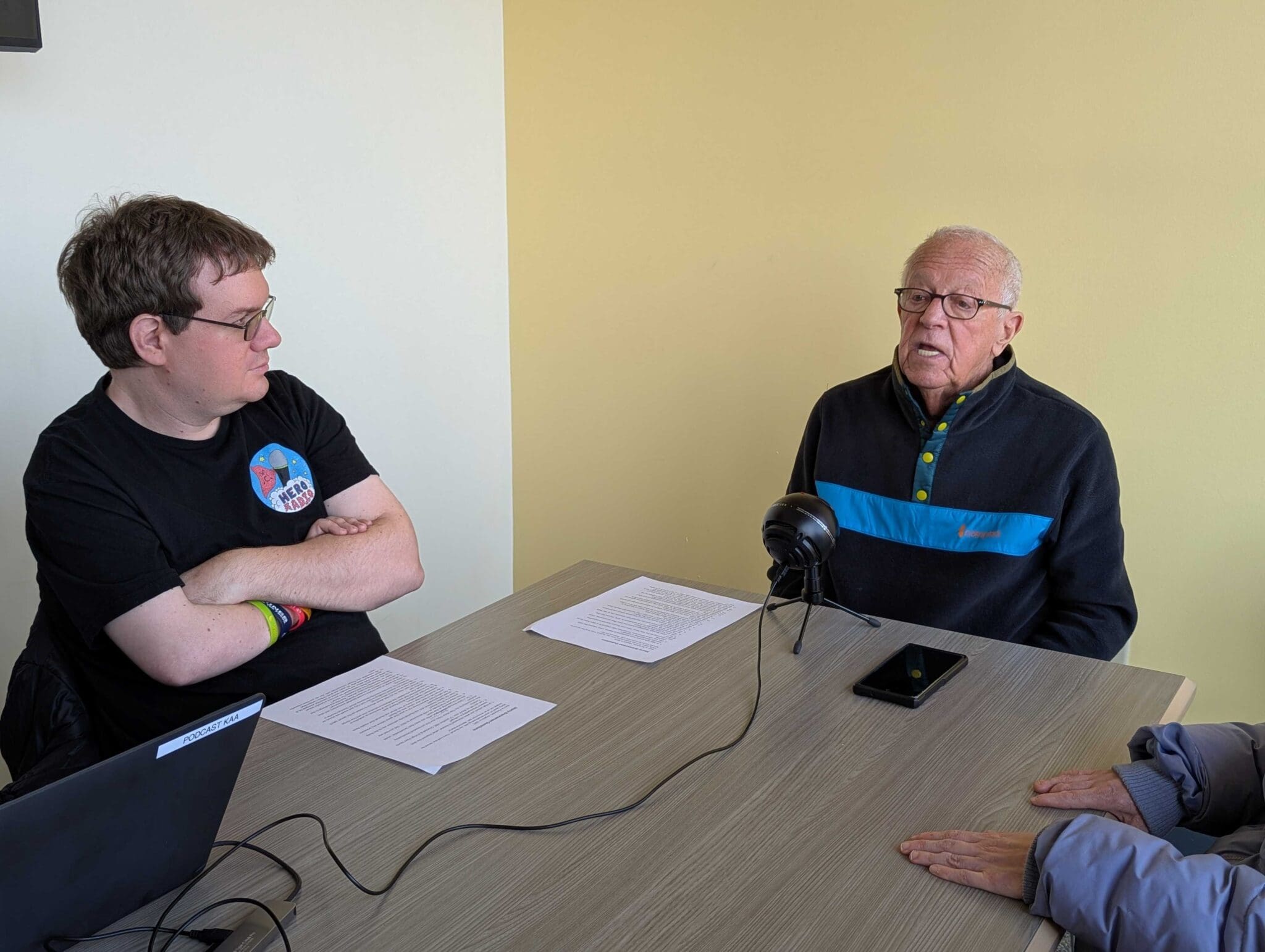
Hero Radio Podcast and Urban Soundscapes
KAA also offers unique adult day programs that explore sound, storytelling, and music technology in the community.
Activities may include:
- Audio recording and editing
- Community exploration at parks, libraries and more
- Meeting local musicians and community members
These programs provides an alternative entry point into music for individuals who may not be drawn to traditional instruments.
Performance Opportunities
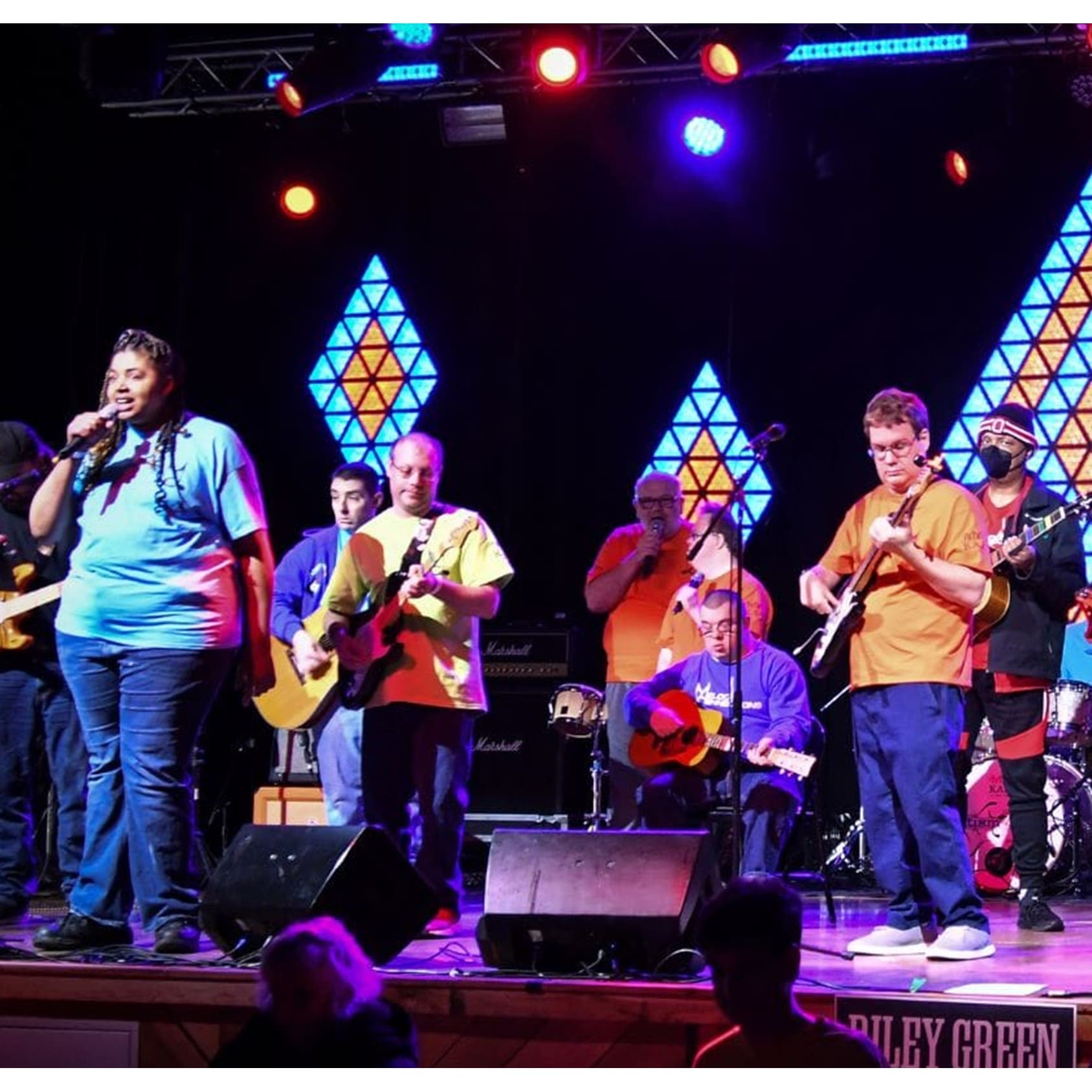
Participants also have opportunities to share their music and celebrate their progress.
One highlight is KAA’s annual Spring Concert, where participants perform for family, friends, and the community.
These experiences help participants:
- Build confidence
- Practice new skills
- Celebrate achievements
- Share their creativity with others
Real Impact
Families and caregivers consistently see meaningful growth through KAA’s music therapy and music programs.
“He has shown a definite increase in his confidence and attitude is more positive.”
— Caregiver
“It’s the best organized group I’ve ever seen of loving, talented people sharing their lives, energy, and music with my son and his peers.”
— Parent
“Our son looks forward to his private music therapy sessions. He has increased communication and social skills because of the activity.”
— Parent
“The joy and pride these performance opportunities bring is awesome to see!”
— Parent
Licensed & Experienced Music Therapists
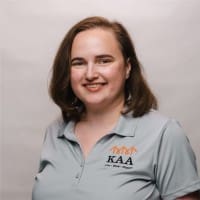
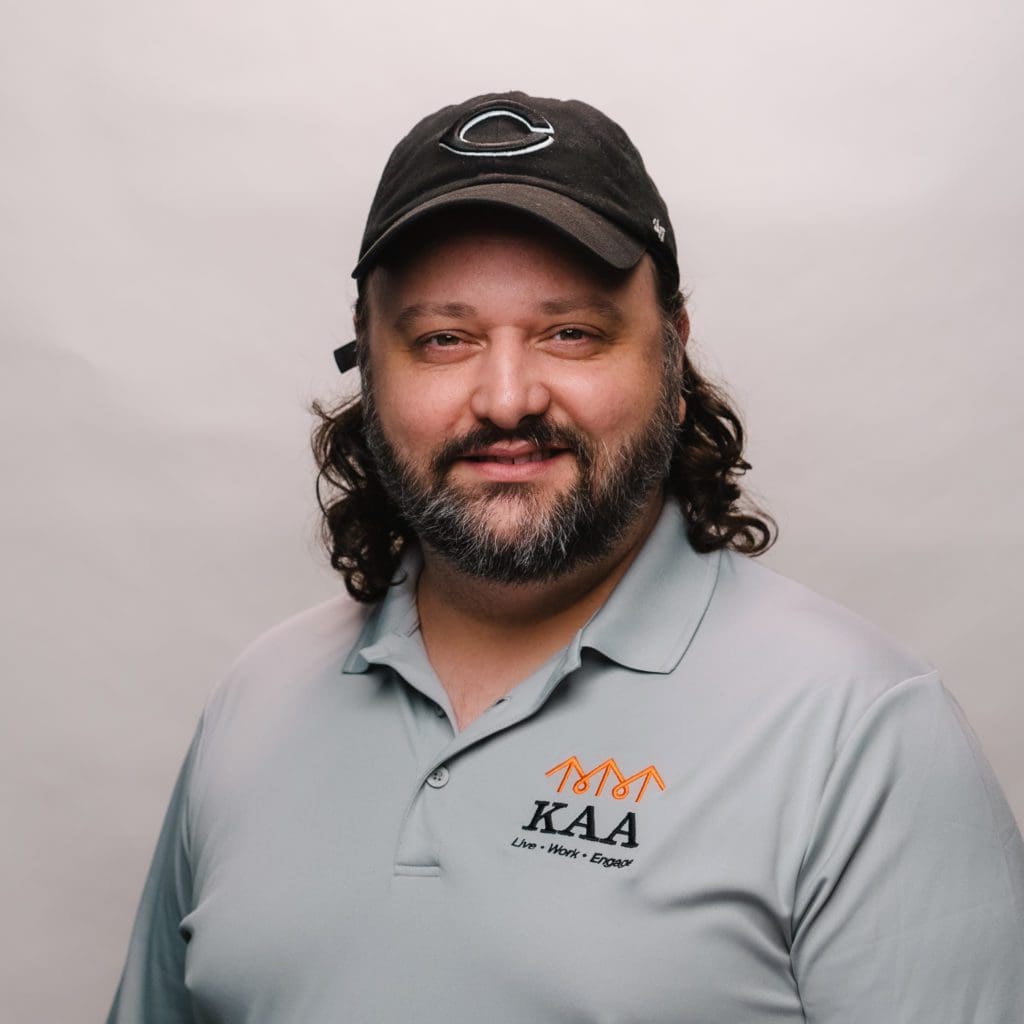
All music therapy services at KAA are provided by Licensed Professional Music Therapists (LPMTs) in the state of Ohio.
This means they have:
- Completed an accredited music therapy degree
- Finished clinical training hours
- Passed a national board certification exam
- Maintain ongoing professional education
Our therapists follow ethical and professional standards established by the American Music Therapy Association (AMTA) and the state of Ohio.
Who Can Participate?
KAA’s music therapy services and music programs are designed for adults ages 18 and older with developmental or intellectual disabilities, regardless of musical background or experience.
Participants may join to explore music for the first time or build on existing interests in a supportive environment.
Getting Started
Ready to explore music therapy at KAA?
Looking Ahead
KAA continues to grow its music therapy program by building partnerships with organizations and expanding access for more adults in the community.
Experience the Power of Music
At KAA, music is more than sound — it’s a pathway to confidence, connection, and belonging.
Join the Fun
Interested in making music with us? Contact us to learn more.